
Intergenerational Living
With the plight of the elderly in care homes at the forefront of the coronavirus crises, is it time to consider a new way of intergenerational living?
In these times of crisis, the way we live has suddenly become a central focal point. Our homes are our safe space as well as our confinement. The news from the care home sector may just feel like the latest story line, but sooner or later it will affect us all. And our feeling of isolation may be compounded by the lack of access and, therefore, apparent distance to our loved ones. The old fashioned ways of intergenerational living, all of a sudden, seem much more appealing again.
Over the last decades, the rising numbers of over 25s - 34s still living with their parents have been well documented. However, coronavirus has now put a spotlight on our older generation’s fate. Are they still living (alone) in their own homes?
In 2019, intergenerational living was described as the means to combat isolation. We can now say it would also be fully supportive in the most positive sense.
Multi generation living is on the rise and in many countries such as India and Canada, to name two sociopolitical opposites, it may never have been out of fashion. Nevertheless, existing granny annexes are often not fully accessible and many properties, at first sight, do not lend themselves to be used by several different generations whilst maintaining the required privacy and independence.
In the short term, the concept of homeshare - a person with a home in need of support teaming up with a person in need of a home in return for assistance - may be the way to go for those with shareable homes. In the future, the approach of joining or splitting properties or building annexes in order to achieve intergenerational units with a shared communal core may be increasingly desirable.
We believe that good design goes much deeper and wider than aesthetics or style and seek to ensure that our living environments are adaptable and accessible to all. Our experience is that more retired people are choosing to downsize into purpose-built homes to fend-off the pressure to move into sheltered accommodation or nursing homes and, in doing so, retain proximity to family and friends whilst maintaining their independence.
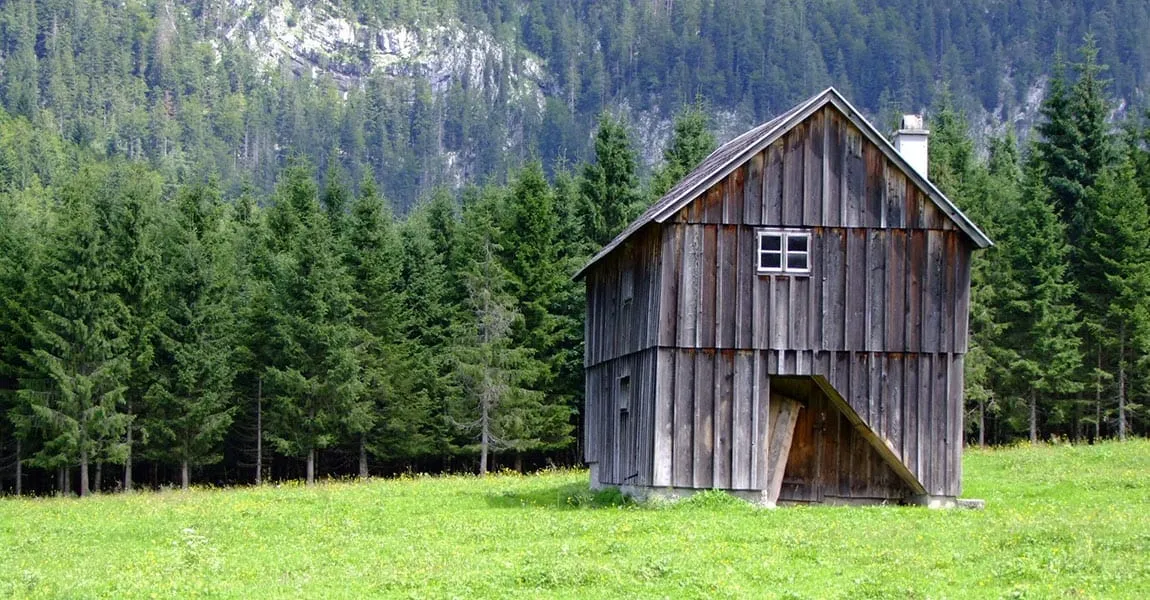
The German term ‘Ausgedinge Stöckel’, English translation ‘life estate’, describes a traditional small home in close proximity to the host building, dedicated to the retired owners once they have handed over their inheritance. And a compact, timber clad annex set in pristine alpine scenery may well sum up the dreams retirement homes are made of.
Designing such properties requires expertise, not just of the practical issues of accessibility, but, first and foremost, to create uplifting environments to live in, avoiding the pitfall of a ‘step-down’ and recognising that long periods of time at home will increasingly be the reality. In case of building conversions, this also leads back to flexibility and adaptability. Multiple circulation routes can become the means of different reconfigurations.
At this moment in time we can all fully appreciate the value of our living environment, what better time for a rethink.
Related reading
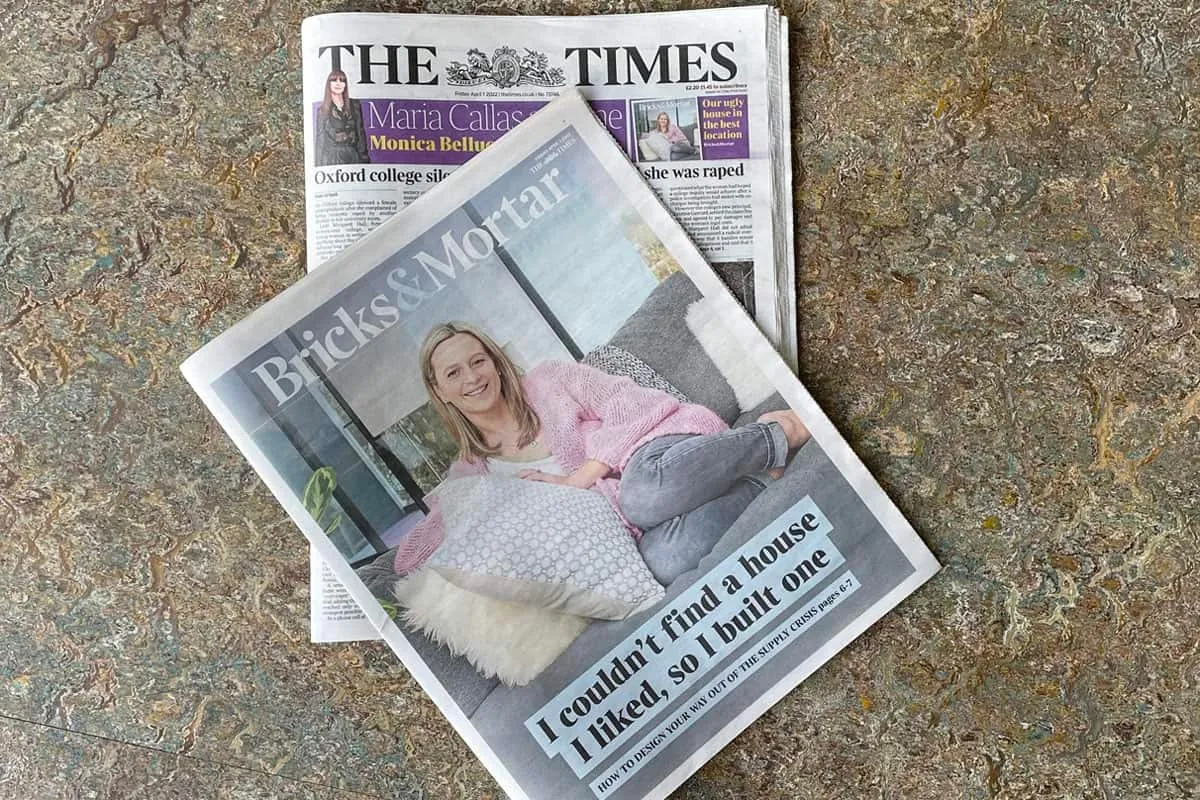
Our 1960s Bungalow project has been featured in The Times newspaper
Great to see our 1960s bungalow conversion into an upside down house featured in The Times newspapers today
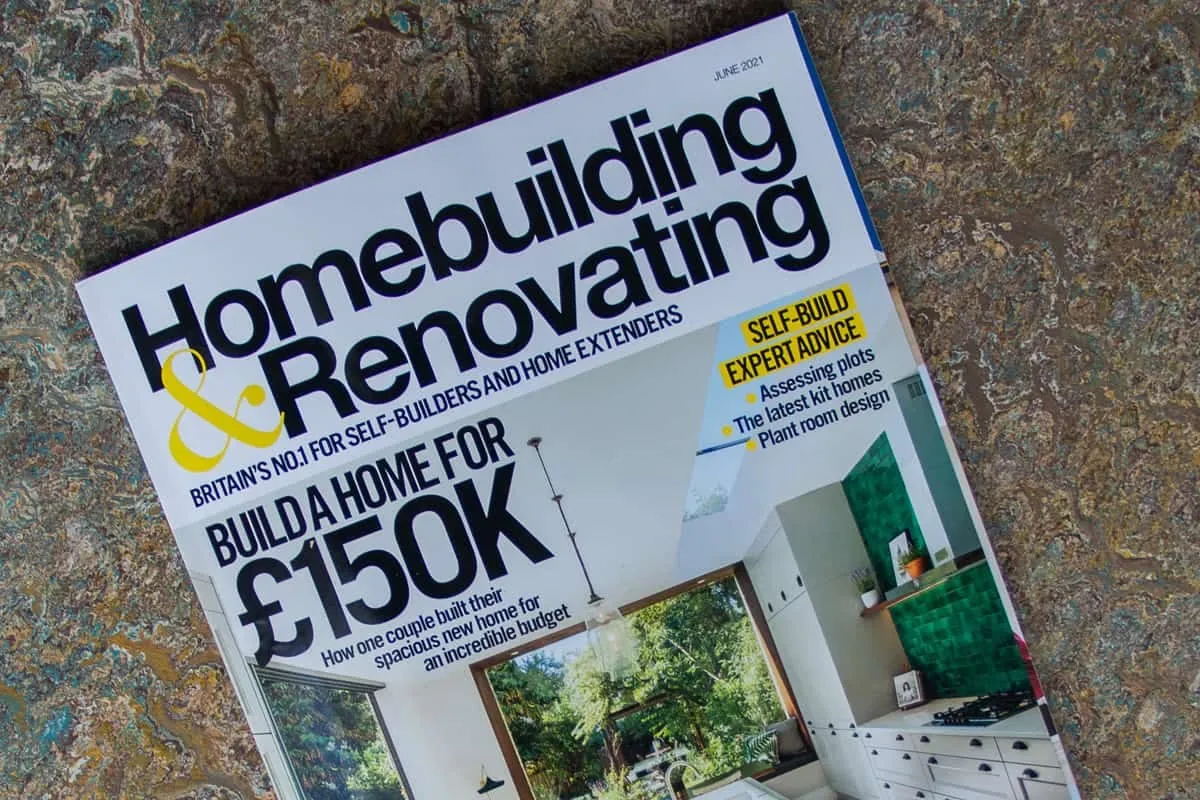
ArchitectureLIVE published in Homebuilding & Renovating magazine
Our project, the extension of a 1960s detached home in Fernhurst, West Sussex, has been featured in the June 2021 edition of the Homebuilding & Renovating magazine - Amazing Exterior Makeovers
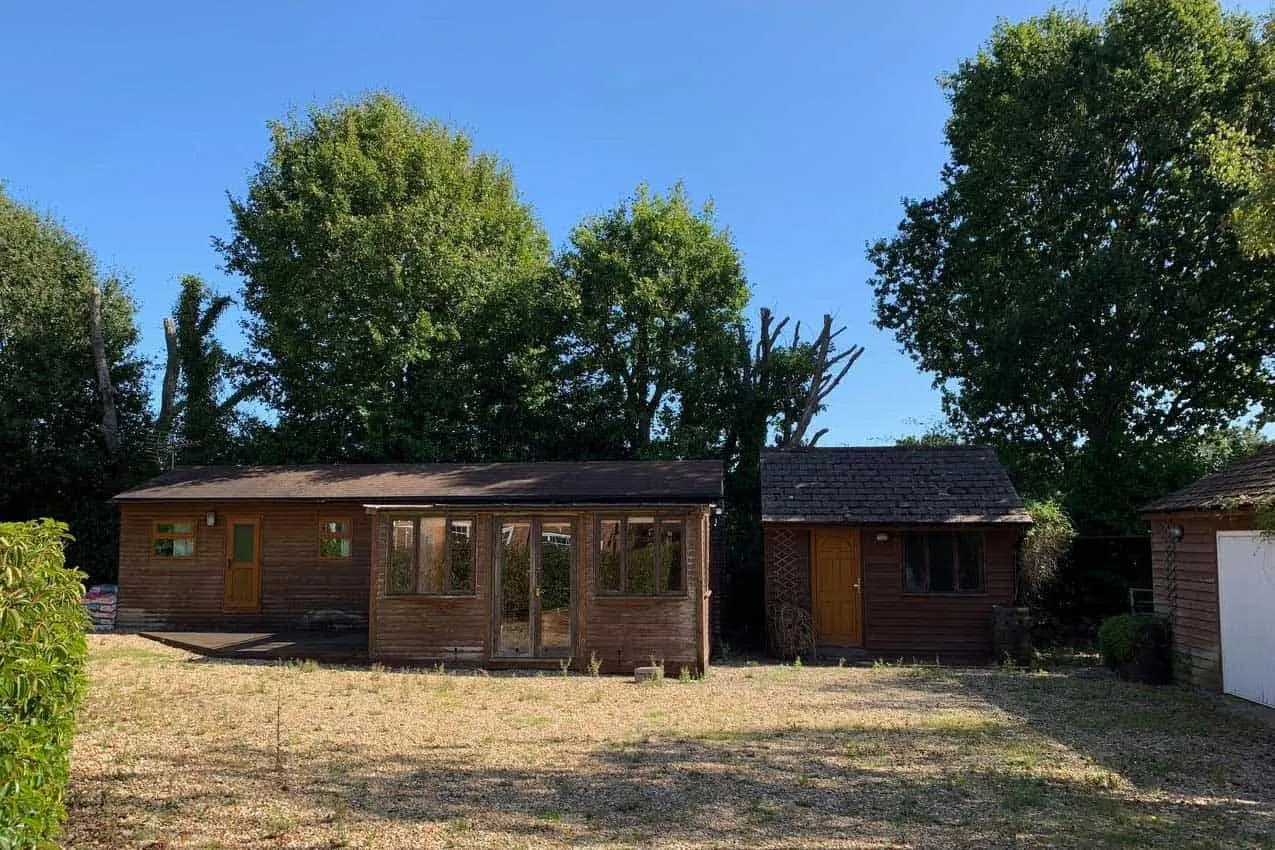
Chichester DC grants permission for a new build annex nr. Chiddingfold, Surrey
Planning permission has been given for a new build annex to a property near Chiddingfold to serve as an independent retirment home.