

Action is what’s needed now
Following the disappointing result of COP26, we look at what we can all do to try and reach Net Zero by 2030.
With COP26 now closed, in accordance with Climate Action Tracker, CAT, the projected outcome is an average rise of 2.4 degrees. This means permitting emissions twice as high as the required 1.5 degrees. Progress has been made on long-term net zero pledges, but a persistent lack of action remaining for this decade actually puts these goals into question.
As a family we find ourselves wondering what this means for our children? What can we do? As architects we are supposed to be at the forefront of decision making for our children’s future and as a practice we have united a wonderful array of clients and contractors who, like us, want to take responsibility. So even if governments are not ‘yet’ ready to commit to more, we can work towards and deliver our own target - Net Zero by 2030!
What does it take?
There are a lot of things we cannot influence. However, the amount of CO2 released by our day-to-day energy needs tends to be the single most important and largest part of our footprint. It is also the area we have the most control over. The building envelope first approach, meaning over-insulating existing and new building structures in order to minimise heat loss and optimise heating loads, should always be the first action. For historic properties, which have planning and/or aesthetic restrictions placed upon them, this can already be very cost intensive.
Therefore, at this point the matrix splits. Living in a well insulated home, we would argue transport is the next step to take. Electric cars are key to any net zero approach, especially in rural areas. For those properties where well insulated envelopes are not feasible, the heating system will be the most important solution and this is where the well insulated, electric car owners join the party again. Gas and oil powered heating systems should be phased out by 2030. In the long run, even biomass cannot be justified as it also emits further CO2 into the atmosphere compared to other renewables.
There is a significant difference between ground source and air source heat pumps with regards to efficiency and costs. We would argue the limitations of ASHPs make it necessary to combine them with renewable electricity and an energy efficient envelope. In the optimum scenario, this will be provided by on site photovoltaics, as reliable grid supply has been identified as one of the key challenges for the future. The same goes for the electric car charging provision.
What next?
For the cynics the above is already subject of many debates. Topics such as the food and textile industry and, even broader, our consumerism culture, are where it gets really messy. Conversations with teenagers as to why mass produced plastic Halloween costumes represent all that is bad for our planet can be a mood dampener and will not immediately harvest thank yous from the generation we want to save. Nevertheless all these areas have to be tackled too. Raising these topics with our children now and showing them how they can make informed and responsible choices will ultimately secure their future.
However, whether or not we all go vegetarian by 2030 will be insignificant in comparison to what we can deliver now by addressing our daily energy consumption. So don’t feel disheartened if your child hates beans. This could be a medium-term project!

Related reading
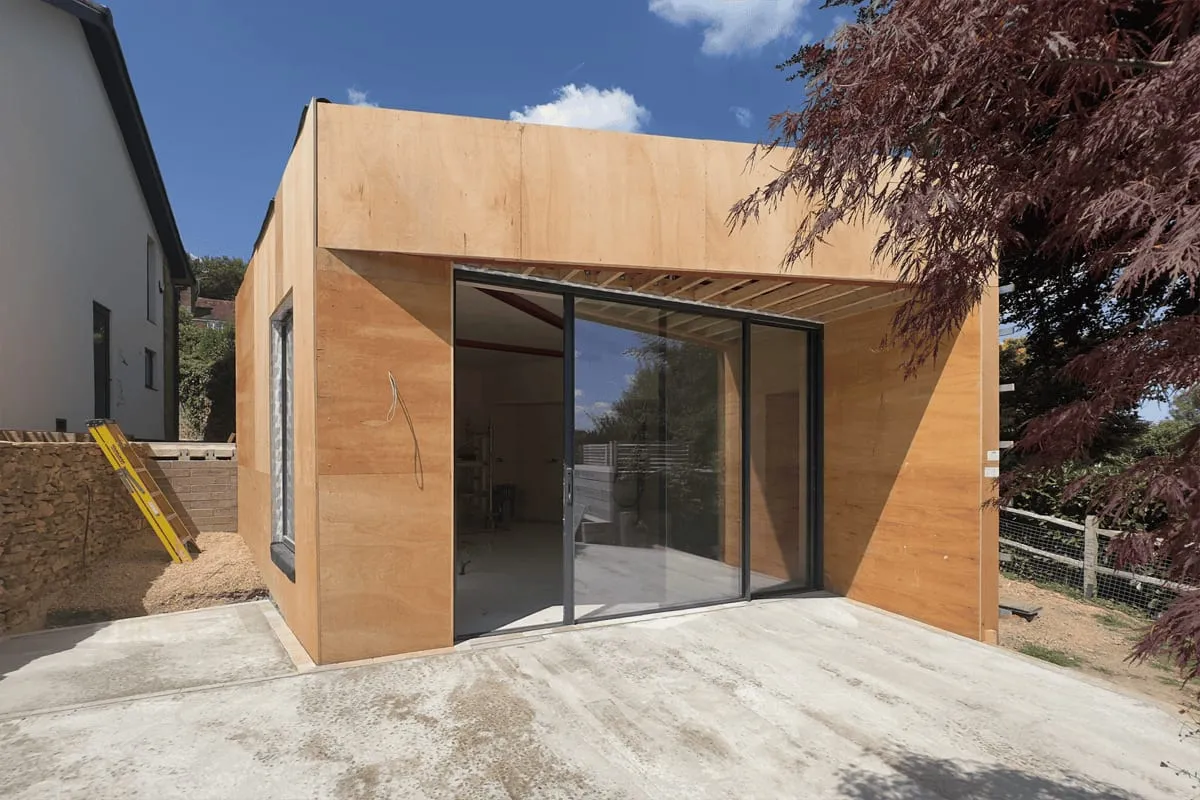
1960s House Remodelling & Extension, Lodsworth, West Sussex
Our 1960s house renovation in Lodsworth, West Sussex, features a modern striking zinc-clad poolside pavilion.
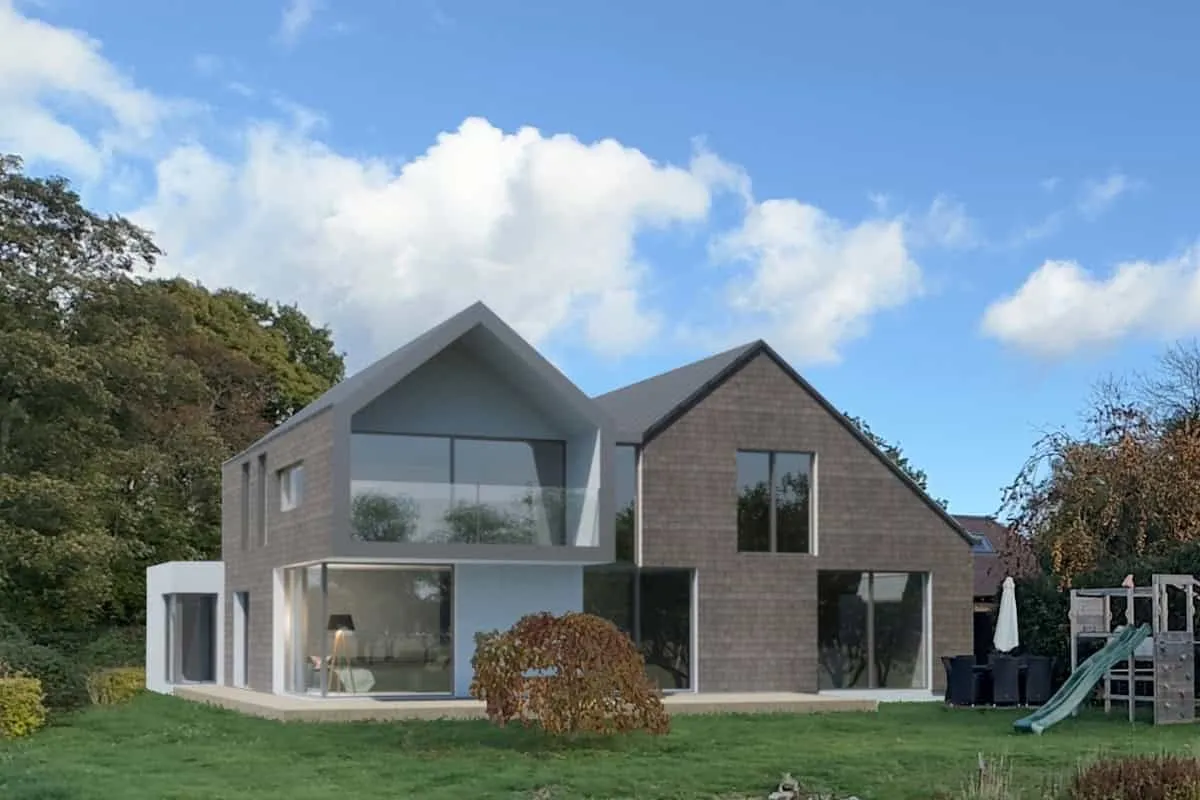
Planning granted for chalet bungalow extension and remodelling, Liphook, East Hampshire
Planning permission has been granted for our chalet bungalow conversion into a modern, energy-efficient 5-bedroom family home in East Hants
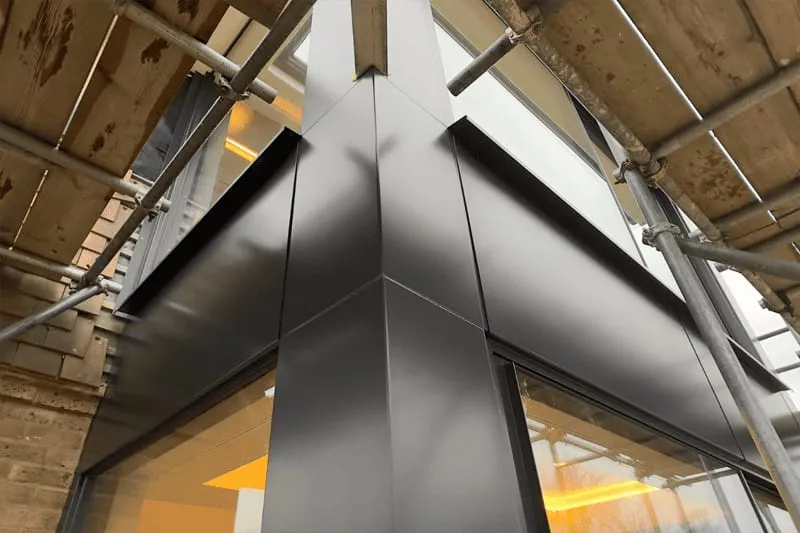
Remodelling, interior design and new two-storey bay window nearing completion, Godalming Surrey
A first peak at our nearly completed Shackleford, Godalming Surrey remodelling, interior design and new two storey bay window %